
Introduction:
Have you ever come across a term that sounds technical yet oddly unfamiliar—and wondered if it might affect your safety or daily life? That’s exactly where asbestlint comes in. While it may sound like a niche concept, it’s actually tied to something far more serious: microscopic fibers that can pose real health risks if ignored.
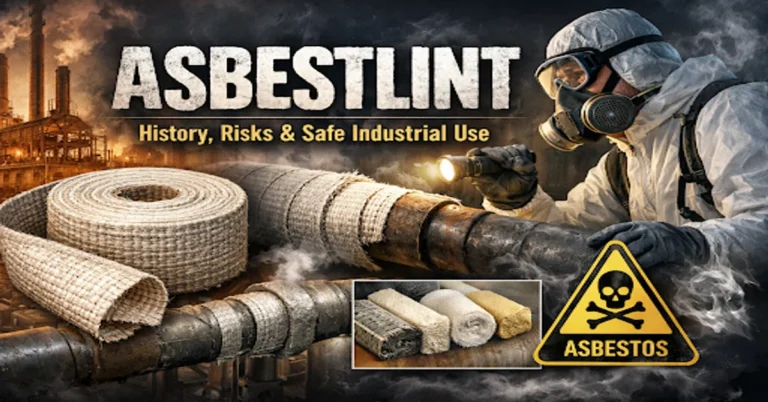
Asbestlint refers to fine, dust-like particles that originate from asbestos-containing materials. Unlike larger asbestos fragments, these lint-like fibers are lightweight, often invisible, and easily airborne. Because of this, they can linger in the environment longer and become easier to inhale, making them particularly dangerous.
In this article, we’ll break down everything you need to know about asbestlint—from its origins and health risks to identification and safe handling. Whether you’re a homeowner, contractor, or simply curious, this guide will help you understand why awareness matters more than ever.
Understanding the Origins of Asbestlint
How Asbestos Turns Into Asbestlint
Asbestos is a naturally occurring mineral that was widely used in construction due to its durability and resistance to heat. Over time, however, materials containing asbestos begin to degrade. When this happens, they release tiny fibers—what we call asbestlint—into the air.
This transformation usually occurs due to wear and tear, physical disturbance, or environmental factors like humidity and temperature changes. For example, an old ceiling tile or insulation panel can slowly break down and shed fibers without any visible damage.
What makes asbestlint particularly concerning is its size. These fibers are so fine that they behave more like dust than solid material. That means they can travel easily through air vents, settle on surfaces, and remain suspended in the air for extended periods.
Common Sources of Asbestlint in Buildings
Asbestlint doesn’t just appear out of nowhere—it originates from specific materials that were once considered standard in construction. These include insulation, roofing shingles, floor tiles, cement sheets, and even some paints.
Older buildings, especially those constructed before the 1990s, are more likely to contain asbestos-based materials. As these materials age, they become brittle and more prone to releasing fibers.
Even simple activities like drilling, sanding, or cleaning can disturb these materials, causing asbestlint to spread. That’s why awareness of potential sources is essential before undertaking any renovation or maintenance work.
Why It Often Goes Undetected
One of the biggest challenges with asbestlint is that it’s nearly impossible to detect without proper equipment. Unlike dust or debris, it doesn’t have a noticeable texture or smell.
Because of this, many people unknowingly expose themselves to it. You might think a room is clean simply because it looks tidy, but asbestlint could still be present in the air.
This invisibility makes it crucial to rely on professional inspections and testing rather than visual judgment alone.
Health Risks Associated with Asbestlint Exposure
How Asbestlint Affects the Human Body
When inhaled, asbestlint fibers can become lodged in the lungs. Unlike other particles, these fibers are resistant to breakdown and can remain in the body for years.
Over time, they cause inflammation and scarring in lung tissue. This process doesn’t happen overnight—it develops slowly, often without noticeable symptoms in the early stages.
As exposure continues, the damage accumulates, leading to serious respiratory conditions that can significantly impact quality of life.
Diseases Linked to Asbestlint
Exposure to asbestlint is associated with several severe health conditions. These include asbestosis, lung cancer, and mesothelioma—a rare but aggressive cancer affecting the lining of the lungs.
What makes these diseases particularly dangerous is their latency period. Symptoms may not appear until decades after exposure, making early detection difficult.
This delayed onset often leads to late diagnoses, which can limit treatment options and reduce survival rates.
Who Is Most at Risk?
Certain groups face a higher risk of exposure to asbestlint. Construction workers, demolition crews, and maintenance staff are among the most vulnerable due to frequent contact with older building materials.
However, homeowners are not immune. Renovating an old house without proper precautions can release fibers into the air, exposing everyone in the household.
Even individuals living near construction or demolition sites may encounter airborne asbestlint if safety measures are not strictly followed.
Identifying Asbestlint in Your Environment
Signs That May Indicate Its Presence
Although asbestlint itself is not visible, there are indirect signs that may suggest its presence. These include deteriorating building materials, crumbling insulation, and aging floor or ceiling tiles.
If you notice materials that appear worn or damaged, especially in older structures, it’s worth investigating further. These could be potential sources of fiber release.
Another clue is the presence of unexplained dust in areas where asbestos-containing materials are known to exist. While not definitive, it can serve as a warning sign.
The Role of Professional Testing
Because visual inspection is unreliable, professional testing is the most accurate way to detect asbestlint. Specialists use air sampling and material analysis to identify the presence of asbestos fibers.
These tests involve collecting samples and examining them under a microscope in controlled laboratory conditions. The results provide a clear picture of whether your environment is safe.
Hiring certified professionals ensures that the process is conducted safely and in compliance with regulations, minimizing the risk of further contamination.
DIY Testing: Is It Worth the Risk?
While DIY testing kits are available, they come with limitations. Improper sample collection can disturb materials and release more fibers into the air.
Additionally, interpreting results requires expertise. Without proper knowledge, you might misread findings or overlook critical details.
For these reasons, professional testing is generally the safer and more reliable option.
Safe Handling and Prevention Strategies
Minimizing Exposure at Home
The best way to deal with asbestlint is to prevent exposure altogether. Avoid disturbing materials that may contain asbestos, especially if they appear intact.
Regular cleaning using damp cloths or specialized vacuum systems can help reduce airborne particles. However, standard vacuum cleaners are not effective, as they may release fibers back into the air.
Maintaining proper ventilation can also help, though it should not replace professional assessment and remediation.
Protective Measures During Renovation
If you’re planning a renovation, it’s essential to take precautions. Before starting any work, have the area inspected for asbestos-containing materials.
If such materials are found, do not attempt to remove them yourself. Instead, hire licensed professionals who are trained in safe removal and disposal procedures.
Using protective gear, sealing off work areas, and following strict safety protocols can significantly reduce the risk of exposure.
Importance of Professional Removal Services
Professional asbestos removal services are equipped with the tools and expertise needed to handle asbestlint safely. They follow established guidelines to contain and eliminate fibers without spreading them.
These services also ensure proper disposal, which is crucial for preventing environmental contamination. Improper handling can lead to legal consequences and long-term health risks.
While it may seem costly, investing in professional removal is a small price to pay for safety and peace of mind.
Legal Regulations and Safety Standards
Global Regulations on Asbestos Use
Many countries have implemented strict regulations on the use of asbestos due to its health risks. In some regions, it is completely banned, while others allow limited use under controlled conditions.
These regulations aim to protect workers and the general public from exposure to hazardous fibers, including asbestlint.
Understanding local laws is important, especially if you’re involved in construction, renovation, or property management.
Workplace Safety Guidelines
Employers are required to follow safety guidelines when dealing with asbestos-containing materials. This includes providing protective equipment, training, and regular health monitoring for workers.
Worksites must also implement measures to control dust and prevent fiber release. Failure to comply can result in penalties and legal action.
These guidelines are designed to minimize risk and ensure a safe working environment for everyone involved.
Your Responsibilities as a Property Owner
As a property owner, you have a responsibility to ensure that your building is safe. This includes identifying potential asbestos risks and taking appropriate action.
If you plan to sell or rent your property, you may be required to disclose the presence of asbestos-containing materials.
Being proactive not only protects occupants but also helps you avoid legal complications in the future.
Future Outlook: Moving Beyond Asbestlint Risks
Advancements in Detection Technology
Technology is playing a key role in improving the detection of asbestos fibers. New tools and methods are making it easier to identify asbestlint quickly and accurately.
These advancements reduce reliance on invasive testing and provide faster results, helping individuals make informed decisions.
As research continues, we can expect even more efficient solutions for monitoring and managing asbestos risks.
Safer Alternatives in Construction
The construction industry is gradually shifting toward safer materials that do not pose health risks. These alternatives offer similar benefits without the dangers associated with asbestos.
From fiber cement to advanced insulation products, modern materials are designed with safety and sustainability in mind.
This transition is a positive step toward reducing the presence of asbestlint in future environments.
Raising Awareness and Education
Education is one of the most powerful tools in combating asbestlint risks. By spreading awareness, individuals can make safer choices and take preventive measures.
Public campaigns, training programs, and accessible information are helping to bridge the knowledge gap.
As more people become informed, the likelihood of exposure decreases, creating safer communities overall.
Conclusion:
Asbestlint may not be a widely recognized term, but its implications are far-reaching. These tiny fibers, often invisible to the naked eye, can have serious consequences if ignored.
Understanding its origins, recognizing potential risks, and taking preventive measures are essential steps toward protecting yourself and others. While the topic may seem complex, the key takeaway is simple: awareness leads to safety.
By staying informed and relying on professional guidance when needed, you can significantly reduce the risks associated with asbestlint. In a world where hidden dangers often go unnoticed, knowledge truly is your best defense.
