
Introduction:
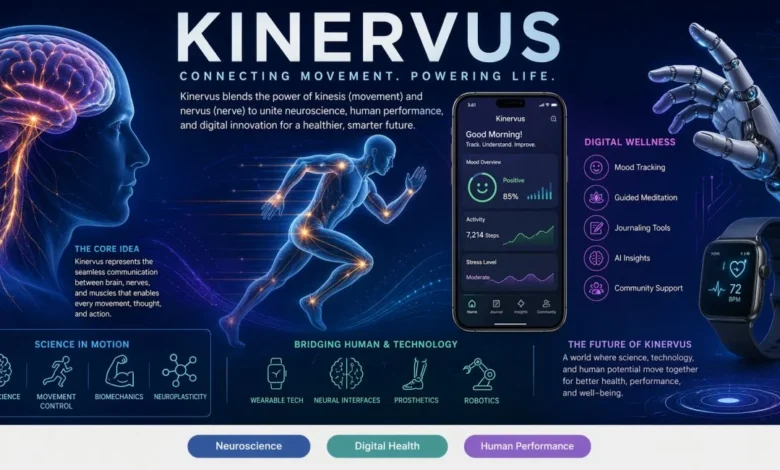
Have you ever stumbled across a word that feels unfamiliar yet strangely meaningful at the same time? That is exactly the kind of curiosity kinervus sparks. It sounds modern, almost futuristic, yet it carries a depth that makes you pause and think. So, what is kinervus really, and why is it gaining attention in different conversations?
To begin with, kinervus is not just a term you can box into one simple definition. Instead, it represents a layered concept that blends ideas of innovation, adaptability, and evolving systems. People often use it in discussions related to technology, creativity, and even personal growth. Because of this versatility, kinervus has started to build a reputation as a word that symbolizes forward-thinking perspectives.
Moreover, the rising interest in kinervus reflects a broader shift in how we think about progress. We are no longer satisfied with rigid structures or outdated methods. Instead, we are drawn toward fluid ideas that can evolve with time. That is exactly where kinervus fits in—it captures the essence of change while encouraging exploration.
The Origin and Evolution of Kinervus
When we look at the origins of kinervus, it becomes clear that it is more of a conceptual creation than a historically rooted term. Unlike traditional words that have centuries of linguistic evolution, kinervus seems to emerge from modern discourse. It feels like a product of our current age—an era defined by rapid change and constant innovation.
Interestingly, many believe that kinervus draws inspiration from multiple disciplines. On one hand, it echoes the precision and logic often found in scientific terminology. On the other hand, it carries the fluid and expressive nature of creative language. This blend gives kinervus its unique identity, allowing it to resonate across different fields.
As time passes, the meaning of kinervus continues to evolve. Initially, it may have been used casually or even experimentally. However, it is now being adopted more intentionally. Writers, thinkers, and professionals are using kinervus to describe ideas that do not fit neatly into existing categories. In this sense, the word itself is evolving alongside the world it represents.
Understanding the Core Meaning of Kinervus
At its core, kinervus represents a dynamic state of being. It is about movement, growth, and the ability to adapt. Unlike static concepts that remain fixed, kinervus thrives on change. It encourages individuals and systems to remain flexible and open to new possibilities.
Another important aspect of kinervus is its connection to innovation. It is often associated with creative problem-solving and the willingness to explore uncharted territory. Instead of relying on conventional methods, kinervus pushes for fresh perspectives. This makes it particularly relevant in today’s fast-paced environment.
Furthermore, kinervus can also be seen as a mindset. It is not just about external systems or processes; it is about how we approach challenges. A kinervus mindset embraces uncertainty while maintaining a sense of purpose. It values learning, experimentation, and continuous improvement.
Kinervus in Technology and Innovation
One of the most exciting applications of kinervus can be found in the world of technology. As digital systems become more complex, there is a growing need for flexible frameworks. This is where kinervus plays a crucial role. It represents the shift from rigid programming to adaptive, intelligent systems.
For instance, modern technologies such as artificial intelligence and machine learning reflect the principles of kinervus. These systems are designed to learn and evolve over time. They are not limited to predefined instructions. Instead, they adapt based on data and experience. This dynamic nature aligns perfectly with the concept of kinervus.
In addition, kinervus encourages innovation by challenging traditional boundaries. It pushes developers and engineers to think beyond standard solutions. As a result, we see more creative approaches to problem-solving. This not only improves efficiency but also opens the door to entirely new possibilities.
The Role of Kinervus in Creativity and Design
Beyond technology, kinervus has a strong presence in the creative world. Artists, designers, and writers often embrace the idea of fluidity and experimentation. Kinervus captures this spirit perfectly. It allows creators to break free from conventional rules and explore new forms of expression.
For example, in design, kinervus can be seen in the use of adaptive layouts and interactive elements. Instead of static designs, creators are now focusing on experiences that evolve based on user interaction. This approach not only enhances engagement but also reflects the dynamic nature of kinervus.
Similarly, in writing and storytelling, kinervus encourages flexibility. Authors are experimenting with non-linear narratives and interactive formats. This shift allows for more immersive experiences. It also highlights the importance of adaptability in creative work.
Kinervus as a Personal Growth Philosophy
While kinervus is often associated with systems and processes, it also has a deeply personal dimension. It can be seen as a philosophy for growth and self-improvement. In this context, kinervus represents the willingness to embrace change and learn from experience.
One of the key principles of kinervus in personal growth is adaptability. Life is unpredictable, and rigid plans often fall apart. By adopting a kinervus mindset, individuals can navigate challenges more effectively. They learn to adjust their strategies while staying focused on their goals.
Another important aspect is continuous learning. Kinervus encourages curiosity and exploration. It reminds us that growth is an ongoing process. Instead of seeking perfection, it promotes progress. This mindset not only reduces stress but also fosters resilience.
The Impact of Kinervus on Modern Work Culture
In today’s workplace, kinervus is becoming increasingly relevant. Traditional work structures are being replaced by more flexible and dynamic models. Remote work, collaborative platforms, and agile methodologies all reflect the principles of kinervus.
For example, many organizations are adopting agile frameworks that prioritize adaptability. Teams are encouraged to iterate and improve continuously. This approach aligns with the idea of kinervus, where change is seen as an opportunity rather than a threat.
Moreover, kinervus promotes a culture of innovation. Employees are encouraged to think creatively and take initiative. This not only boosts productivity but also enhances job satisfaction. People feel more engaged when they have the freedom to explore new ideas.
Challenges and Misinterpretations of Kinervus
Despite its many advantages, kinervus is not without challenges. One common issue is misinterpretation. Some people see it as a lack of structure or discipline. However, this is not accurate. Kinervus is about flexible structure, not chaos.
Another challenge is implementation. Adopting a kinervus approach requires a shift in mindset. This can be difficult, especially in environments that are resistant to change. People often prefer familiar systems, even if they are less effective.
Additionally, there is the risk of overcomplication. In some cases, the concept of kinervus may be used without clear understanding. This can lead to confusion and inefficiency. Therefore, it is important to approach kinervus with clarity and purpose.
How to Apply Kinervus in Everyday Life
Applying kinervus in daily life does not require drastic changes. Instead, it starts with small, intentional steps. One of the simplest ways is to remain open to new experiences. Trying something different can lead to unexpected insights.
Another practical approach is to embrace flexibility. Plans may not always go as expected, and that is okay. By adapting to changing circumstances, you can achieve better outcomes. This mindset reduces frustration and increases resilience.
Furthermore, continuous learning is essential. Whether it is reading, experimenting, or engaging with new ideas, staying curious keeps you aligned with the principles of kinervus. Over time, these habits become part of your natural approach to life.
The Future of Kinervus
Looking ahead, the relevance of kinervus is only expected to grow. As the world becomes more interconnected and complex, the need for adaptable systems will increase. Kinervus provides a framework for navigating this complexity.
In technology, we can expect to see more systems that embody the principles of kinervus. These systems will be more intelligent, responsive, and user-focused. They will not only solve problems but also anticipate needs.
In society, kinervus may influence how we approach education, work, and relationships. It encourages collaboration and innovation. It also promotes a mindset that values growth and adaptability. These qualities are essential for success in a rapidly changing world.
Conclusion:
So, what makes kinervus so important? The answer lies in its ability to capture the essence of modern life. It reflects our need for flexibility, innovation, and continuous growth. In a world that is constantly evolving, static approaches simply do not work anymore.
Kinervus offers a way forward. It encourages us to embrace change rather than resist it. It pushes us to think creatively and act with purpose. Whether in technology, creativity, or personal growth, the principles of kinervus can lead to meaningful progress.
Ultimately, kinervus is more than just a concept. It is a mindset, a philosophy, and a guide for navigating the complexities of the modern world. By understanding and applying it, we can unlock new possibilities and create a future that is both dynamic and sustainable.
