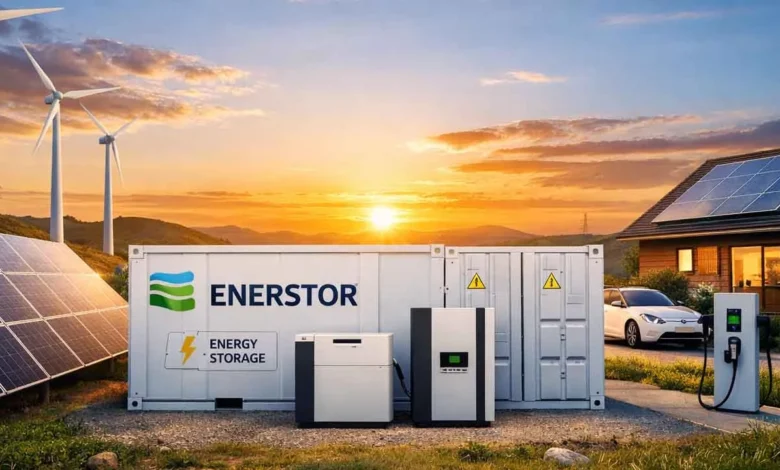
Have you ever wondered how we can store energy from the sun or wind and still use it when nature stops producing it? That’s exactly where Enerstor comes into the picture. In a world that is rapidly shifting toward renewable energy, the ability to store and manage electricity efficiently is becoming just as important as generating it.

Enerstor represents the modern idea of advanced energy storage systems, designed to capture power when it is abundant and release it when it is needed most. Whether used in homes, businesses, or large industrial setups, it plays a crucial role in balancing energy supply and demand.
In this article, we will break down what Enerstor means, how it works, why it matters, and how it is shaping the future of global energy systems. Let’s dive deep into this powerful concept that is quietly transforming how we live and consume electricity.
What is Enerstor and Why Does It Matter?
Enerstor can be understood as a modern energy storage solution designed to store electrical energy for later use. While the term itself may sound technical, the idea behind it is very simple: save energy when it is available and use it when it is needed.
In everyday life, electricity is not always produced at the same time it is consumed. For example, solar panels generate power during the day, but households often use more electricity at night. Enerstor bridges this gap by acting like a rechargeable energy reservoir.
This matters because energy efficiency is no longer optional. As global demand for electricity rises, systems like Enerstor help reduce waste, lower costs, and support cleaner energy usage. It is not just a technology upgrade; it is a step toward smarter living.
The Growing Need for Energy Storage Systems
Modern society depends heavily on electricity, from smartphones to transportation systems. However, energy production and consumption rarely happen in perfect harmony. This mismatch creates inefficiencies that traditional power grids struggle to handle.
Renewable energy sources like solar and wind make this issue even more complex. These sources are clean but unpredictable. The sun does not always shine, and the wind does not always blow. Without storage systems like Enerstor, much of this energy would go unused.
As a result, the need for reliable energy storage has never been greater. Enerstor addresses this challenge by ensuring that excess energy is not wasted. Instead, it is stored and made available whenever demand rises, creating a more stable and sustainable energy ecosystem.
How Enerstor Works in Simple Terms
At its core, Enerstor operates like a large rechargeable battery system. When energy is produced—whether from solar panels, wind turbines, or the electrical grid—it stores that energy in specialized storage units.
Later, when energy demand increases or production drops, the stored energy is released back into the system. This process ensures a continuous and balanced flow of electricity without interruptions.
The technology behind Enerstor can vary, but it often includes advanced battery systems, smart energy controllers, and monitoring software. These components work together to optimize how energy is stored, managed, and distributed.
Key Features and Benefits of Enerstor
One of the biggest advantages of Enerstor is its ability to improve energy efficiency. By storing excess power, it reduces dependence on traditional energy grids and minimizes waste. This leads to lower electricity costs over time.
Another important benefit is reliability. Power outages and fluctuations can disrupt daily life and business operations. Enerstor provides backup power that ensures continuity even during grid failures or peak demand periods.
Additionally, Enerstor supports environmental sustainability. By making renewable energy more practical and usable, it reduces reliance on fossil fuels. This helps lower carbon emissions and contributes to a cleaner planet.
Enerstor in Residential Use
In homes, Enerstor systems are becoming increasingly popular, especially among households using solar panels. During the day, solar energy is stored in the system instead of being wasted.
At night or during cloudy weather, that stored energy powers the home. This reduces dependence on the traditional power grid and can significantly lower electricity bills.
Homeowners also benefit from energy independence. With Enerstor, they are less affected by power outages or rising energy prices. It provides a sense of control over how and when energy is used.
Commercial and Industrial Applications of Enerstor
Businesses and industries consume large amounts of electricity, making energy management a critical concern. Enerstor helps companies optimize energy usage and reduce operational costs.
In commercial settings, Enerstor can store energy during off-peak hours when electricity is cheaper and release it during peak hours when costs are higher. This smart energy management leads to significant savings.
Industrial facilities also use Enerstor to maintain uninterrupted operations. Factories, data centers, and hospitals cannot afford downtime. Energy storage systems ensure continuous power supply even during grid instability.
Enerstor and Renewable Energy Integration
Renewable energy is one of the most important drivers of Enerstor adoption. Solar and wind energy are clean and sustainable, but they are not always consistent.
Enerstor solves this problem by storing excess renewable energy and making it available when production drops. This improves the reliability of renewable energy systems.
Without storage solutions like Enerstor, renewable energy would struggle to replace traditional power sources. With it, however, clean energy becomes a practical and dependable solution for everyday use.
Challenges and Limitations of Enerstor
Despite its advantages, Enerstor is not without challenges. One of the biggest barriers is cost. Advanced energy storage systems can be expensive to install and maintain.
Another limitation is energy capacity. While technology is improving rapidly, storage systems still have limits on how much energy they can hold. This can be a challenge for large-scale applications.
There are also environmental concerns related to battery production and disposal. Although Enerstor supports clean energy usage, the materials used in some storage systems require careful handling and recycling.
The Future of Enerstor Technology
The future of Enerstor looks promising as innovation continues to advance rapidly. New battery technologies, such as solid-state batteries, are expected to improve storage efficiency and reduce costs.
Artificial intelligence is also playing a growing role. Smart energy systems can now predict energy usage patterns and optimize storage automatically. This makes Enerstor even more efficient and user-friendly.
As the world moves toward carbon neutrality, energy storage will become a central part of global infrastructure. Enerstor systems are likely to become standard in homes, businesses, and cities.
Conclusion: Why Enerstor Matters for the Future
Enerstor is more than just a technology; it is a foundation for the future of energy management. It solves one of the biggest challenges in modern power systems—how to store and use energy efficiently.
By improving reliability, reducing costs, and supporting renewable energy, Enerstor is helping create a smarter and more sustainable world. Its role will only grow as global energy demands continue to rise.
In the coming years, energy storage will not just be an option—it will be a necessity. And Enerstor stands at the center of that transformation, shaping how we generate, store, and use energy for generations to come.