Eileen Catterson: Life, Career, and Public Fascination Around the Scottish Model

Introduction:
Have you ever wondered how some public figures manage to stay relevant in conversations long after their peak media presence? Eileen Catterson is one of those names that continues to spark curiosity, especially in discussions about Scottish beauty pageants, modeling history, and celebrity relationships.

Eileen Catterson is widely known as a Scottish model and former beauty queen whose name became particularly recognizable in the late 1980s and 1990s. While she may not be constantly in the spotlight today, her story still circulates in pop culture discussions, especially when people revisit the era of classic UK modeling and entertainment culture.
Part of the ongoing fascination comes from how her career intersected with fame, fashion, and personal relationships in the public eye. Unlike many modern influencers who build visibility through social media, her recognition came through traditional media, pageantry, and modeling campaigns. That difference alone makes her career feel almost nostalgic in today’s digital world.
In this article, we will take a deep, structured look at her life journey, her rise in modeling, her personal connections, and why her name still resonates with audiences decades later. Let’s explore her story step by step.
Early Life and Background
Eileen Catterson was born and raised in Scotland, a country known for its rich cultural heritage and strong presence in European arts and fashion scenes. From an early age, she was described as having a natural elegance and presence that later became central to her modeling success.
Growing up in Scotland during the 1970s and 1980s meant she was surrounded by a mix of traditional values and evolving modern influences. This environment often shaped young talent into individuals who could balance grounded personalities with public-facing careers. Eileen’s early life reflected that balance well.
Although detailed public records about her childhood remain relatively private, what is known is that she developed an early interest in fashion and presentation. Friends and acquaintances often noted her confidence and poise, traits that are essential in the modeling industry and often hard to teach later in life.
This foundation eventually became the stepping stone for her entry into beauty pageants, where she would first begin gaining wider recognition. Her journey didn’t begin with instant fame, but rather with gradual development, discipline, and an increasing presence in competitive modeling spaces.
Rise to Fame Through Beauty Pageants
The turning point in Eileen Catterson’s early career came when she entered the world of beauty pageants. These competitions were highly influential during the 1980s, often serving as gateways into professional modeling and media opportunities.
Her participation quickly set her apart. She was not just another contestant; she stood out due to her confidence, presentation skills, and natural stage presence. These qualities helped her secure attention from judges, organizers, and modeling scouts alike.
One of the most notable milestones in her early rise was her success in Scottish beauty competitions, where she earned significant recognition. Her name began circulating more widely in fashion and entertainment circles, marking the beginning of her transition from local talent to national figure.
This phase of her life is important because it reflects how the modeling industry worked before the dominance of digital platforms. Success depended heavily on live events, print media coverage, and word-of-mouth reputation. Eileen Catterson navigated this system effectively, building a strong foundation for her later career.
Modeling Career Highlights and Professional Work
As her recognition grew, Eileen Catterson moved further into professional modeling. Her work included fashion shoots, promotional campaigns, and appearances that aligned with the aesthetics of the late 1980s and early 1990s fashion industry.
During this period, modeling was highly competitive, and only a limited number of individuals could sustain long-term visibility. Eileen managed to carve out her space through consistency and adaptability. Her look and professionalism made her suitable for a range of assignments, from editorial work to commercial modeling.
She became associated with a style of modeling that emphasized elegance and natural beauty rather than overly stylized or digitally enhanced imagery, which is more common today. This made her part of a generation of models who represented authenticity in visual storytelling.
Even though she did not pursue an aggressively global modeling career like some of her contemporaries, her work remained influential within the UK modeling scene. Her presence contributed to the broader cultural landscape of British fashion during that era.
Relationship with Marti Pellow and Public Interest
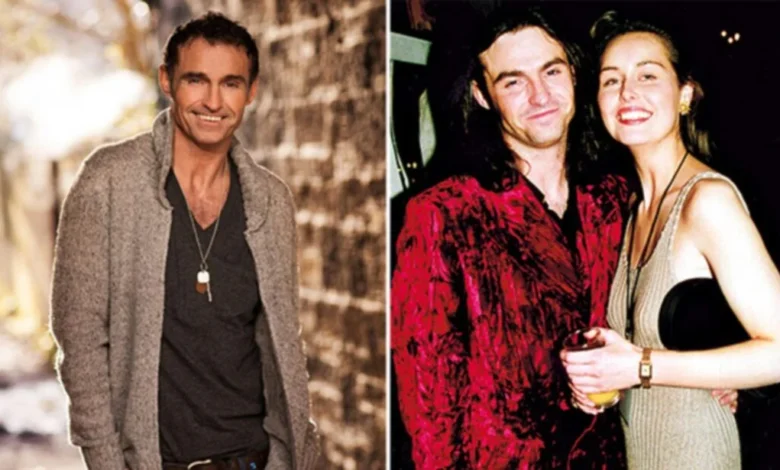
One of the most widely discussed aspects of Eileen Catterson’s public life is her long-term relationship with Scottish singer Marti Pellow, the lead vocalist of the band Wet Wet Wet.
Their relationship attracted considerable media attention, especially during the height of the band’s fame in the 1990s. At that time, celebrity relationships were heavily covered in magazines and entertainment programs, and their pairing became a frequent topic of public curiosity.
Despite the media attention, both Eileen and Marti were known for maintaining a relatively private approach to their personal lives. They did not overly commercialize their relationship, which was somewhat unusual for public figures during that period.
This balance between public interest and private boundaries contributed to ongoing fascination. Even today, discussions about Marti Pellow’s career often mention Eileen Catterson as an important part of his personal history, reflecting how strongly their names became linked in public memory.
Public Image and Media Attention
Eileen Catterson’s public image has always been shaped by a combination of admiration and curiosity. As a model and beauty queen, she was often portrayed through the lens of glamour media, which tends to emphasize appearance and lifestyle.
However, those who followed her career more closely often describe her as reserved and grounded. Unlike many celebrities who actively seek media attention, she maintained a more controlled and selective public presence.
The media landscape of her peak years also played a significant role in shaping her image. This was an era when magazines and television shows had strong influence over public perception, and narratives were often constructed without the direct involvement of the individuals themselves.
As a result, Eileen Catterson became somewhat of a mysterious figure in popular culture. Her limited public interviews and appearances only added to that sense of intrigue, making people more curious about her life beyond the spotlight.
Life Away from the Spotlight
Over time, Eileen Catterson gradually stepped back from mainstream public attention. Unlike many public figures who transition into media commentary or social media influence, she chose a quieter path.
This decision reflects a common pattern among individuals who experience early fame in modeling or entertainment. After years in the public eye, many prefer privacy and personal stability over continued visibility.
Her life away from the spotlight has been largely private, with limited verified public updates. This has contributed to her enduring mystique, as people often become more curious about figures who choose not to remain constantly visible.
In many ways, this retreat from public life has helped preserve her legacy. Without overexposure or constant reinvention, her name remains associated with a specific era of modeling history, rather than being diluted by ongoing media cycles.
Legacy and Influence in Fashion and Pop Culture
Eileen Catterson’s legacy is not defined by global superstardom but rather by her representation of a specific era in British and Scottish modeling culture. She symbolizes a time when beauty pageants and traditional modeling were major gateways into public recognition.
Her career also highlights how models of her time built reputations without digital platforms. Everything depended on physical presence, professional networks, and media coverage. This makes her journey fundamentally different from modern influencers.
In pop culture discussions, her name often appears alongside conversations about 1990s celebrity culture, especially in relation to UK music and fashion scenes. Her association with Marti Pellow further strengthens her presence in nostalgic reflections on that era.
Ultimately, her influence lies in how she represents a quieter, more traditional form of fame—one that was built on elegance, selectivity, and controlled public exposure rather than constant visibility.
Conclusion: Why Eileen Catterson’s Story Still Matters Today
So why does Eileen Catterson still attract attention decades after her peak public presence? The answer lies in the combination of nostalgia, cultural history, and human curiosity about lives lived outside the spotlight.
Eileen Catterson represents more than just a former model or beauty queen. She reflects a period in entertainment history when fame was slower to build, more localized, and often more private than today’s digital-first celebrity culture.
Her story also shows how public fascination does not always fade with time. Instead, it often transforms into a softer form of legacy, where individuals are remembered not for constant visibility, but for the impact they had during a specific moment in cultural history.
In the end, Eileen Catterson remains an interesting figure precisely because she did not continue to chase the spotlight. Her name survives in conversations, articles, and memories—quietly but consistently, much like the era she represents.